The State of New Construction in Seattle in 2026
New single-family construction in Seattle remains limited by geography, zoning, and the high cost of land. Most new inventory is concentrated in outer neighborhoods, emerging corridors near light rail stations, and suburban edges in King County — Redmond, Sammamish, Renton, and Bothell.
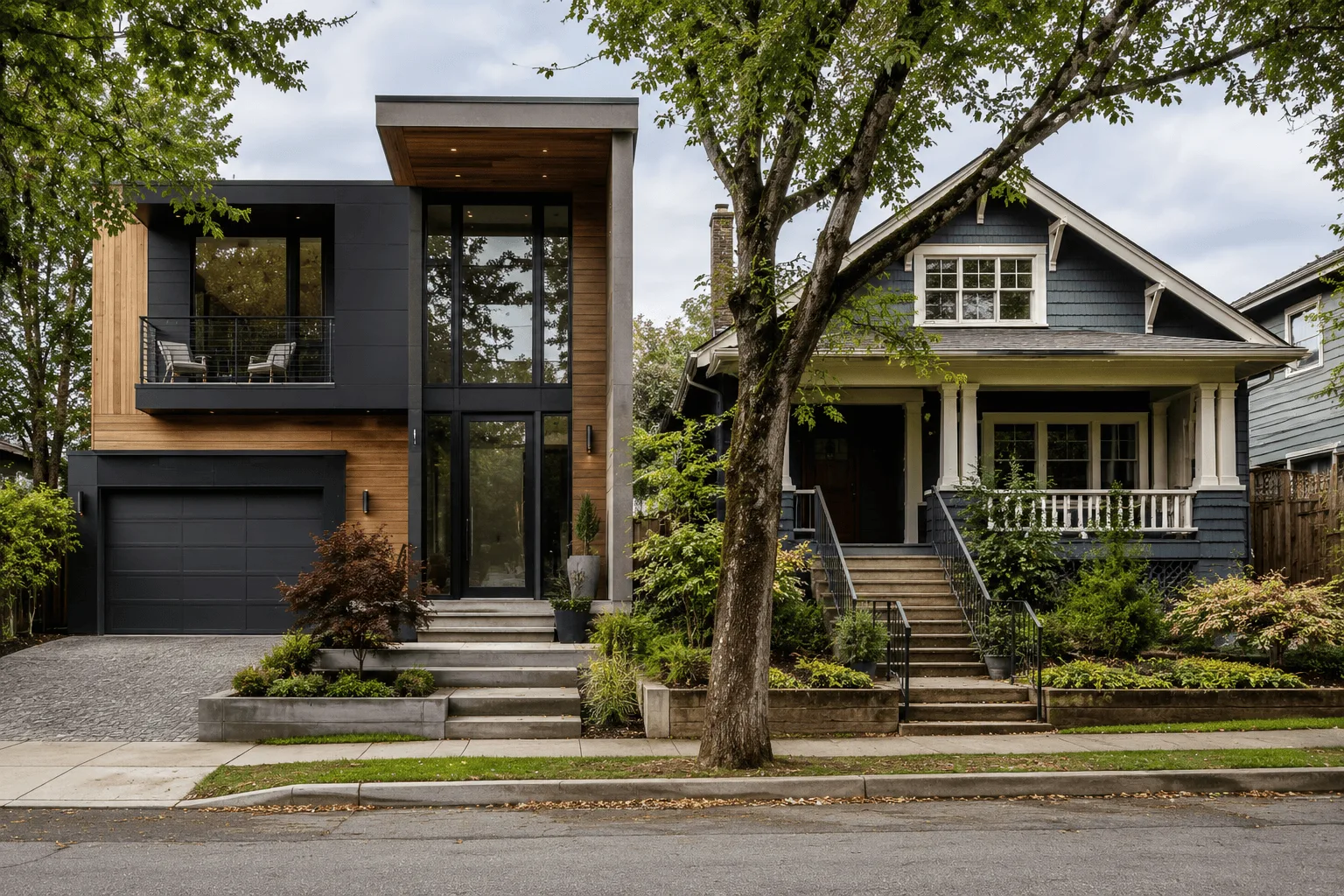
Attached new construction — townhomes and condos — is more prevalent within the city core, particularly along the new light rail expansion zones. Buyers drawn to new construction in central Seattle will more likely find it in multi-unit form than as detached single-family homes.
The Case for New Construction
New homes come with builder warranties that typically cover structural elements for ten years, mechanical systems for two years, and finishes for one year. For buyers who prefer predictability and low early maintenance, this is a meaningful advantage.
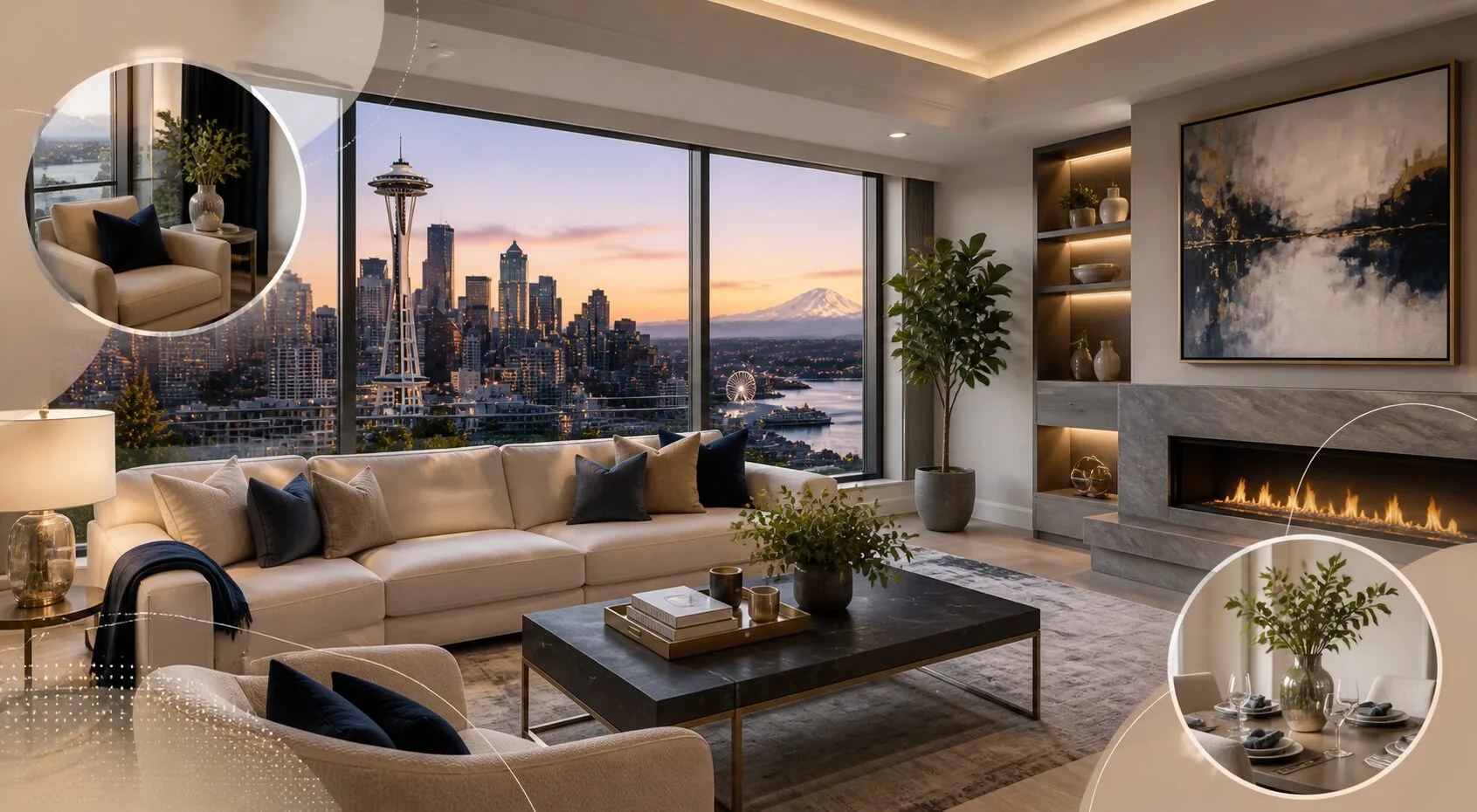
Modern construction standards mean better energy efficiency, updated electrical and plumbing systems, open-plan layouts aligned with how people actually live today, and smart home integration as a standard rather than a retrofit. The total cost of ownership in the first five years is often lower than for an older home with deferred maintenance.
The Limitations of Buying New
New construction in Seattle almost always comes at a premium per square foot compared to existing homes in the same area. Builders price for replacement cost and current material costs — both of which remain elevated. Buyers often pay for the privilege of being the first owner.
Beyond price, location is the bigger constraint. The neighborhoods where new construction is available tend to be less established — with less mature tree canopy, fewer walkable amenities, and less proven resale history. For buyers who place high value on being in a specific established pocket, new construction simply may not be an option.
The Case for Existing Homes
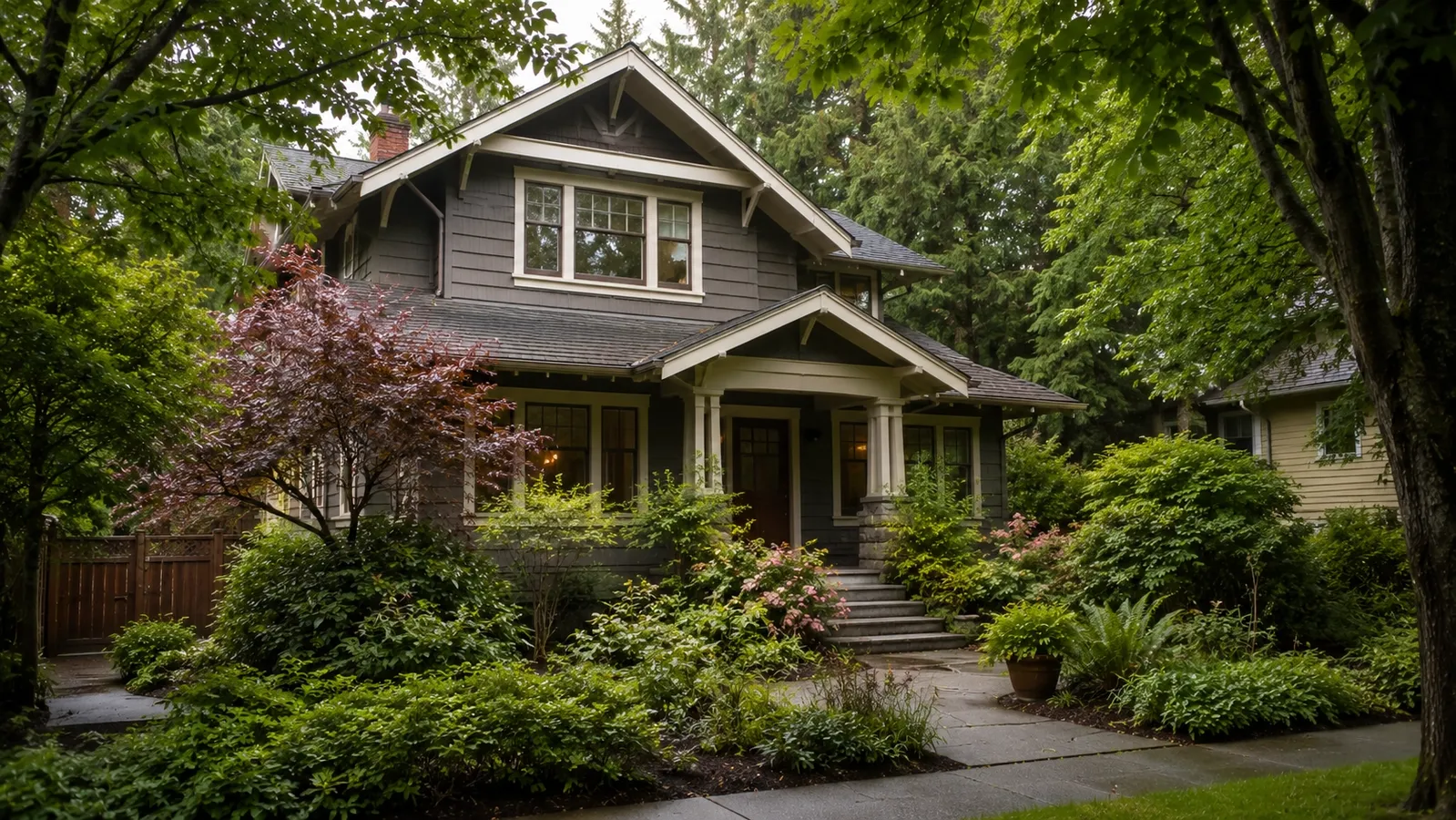
Seattle's established neighborhoods — Ballard, Queen Anne, Madrona, Magnolia, Mercer Island, Capitol Hill — are defined by existing housing stock. The craftsman bungalows, mid-century colonials, and pre-war character homes in these areas cannot be replicated by new construction, and the lots they sit on are irreplaceable.
Existing homes in desirable pockets also carry resale confidence. The market history is known, the comps are documented, and a skilled advisor can price with precision. Buyers purchasing existing homes in these neighborhoods are buying into decades of sustained demand.
Inspection Differences You Need to Understand
New construction is not inspection-exempt. Builder defects — improperly installed windows, grading issues, HVAC commissioning errors, plumbing configuration problems — show up regularly in new construction inspections. A Phase 1 or pre-drywall inspection, plus a final walkthrough inspection before closing, is essential.
Existing homes carry more transparent inspection risk — buyers can see deferred maintenance, aging systems, and documented defects. Many buyers prefer this transparency to the false confidence that new construction can sometimes project.
Negotiation Dynamics Are Completely Different
With new construction, you are negotiating with a builder whose sales team is professionally trained to protect margin. The list price is often firm, but buyers can frequently negotiate on upgrades, closing cost contributions, and rate buydowns offered through the builder's preferred lender.
With existing homes, you are negotiating with a homeowner — often someone who is emotionally attached to the property and responding to market conditions. Skilled representation gives buyers more leverage in this context, and inspection findings can create additional room for concessions post-offer.
Which Is Right for You: A Framework
New construction tends to be a better fit for buyers prioritizing low early maintenance, modern layouts, energy efficiency, and who have flexibility on location. It often suits buyers relocating from out of state who want a clean start without a renovation project.
Existing homes tend to be a better fit for buyers who are place-driven — who want a specific neighborhood, a particular school catchment, proximity to the water, or a specific architectural character. For these buyers, there is no new construction substitute, and the purchase is fundamentally a lifestyle decision.
New or existing is rarely a question about the home — it's a question about the life you are building around it. Knowing what you are optimizing for makes the answer clear.
Luxury Home Buying
Whether new construction or a character home is the right fit depends on your priorities. Christine helps buyers weigh both paths clearly.
Learn more →