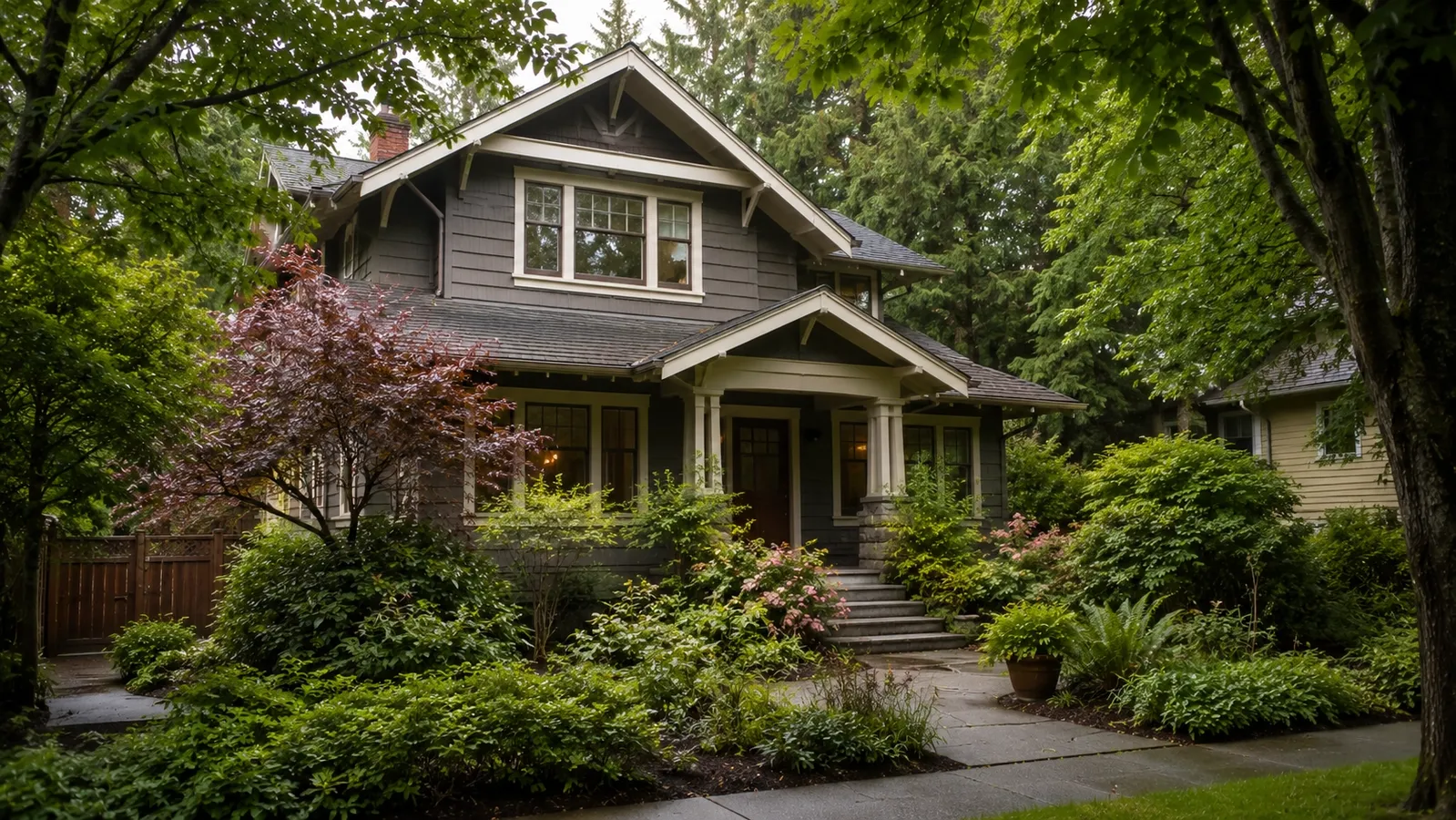
Step One: Get an Honest Valuation — Not an Automated Estimate
Automated home value tools are convenient, but they are frequently wrong by a meaningful margin, especially in Seattle where views, lot orientation, renovation quality, and micro-neighborhood dynamics can shift value significantly within a few blocks. An honest valuation starts with a comparative market analysis built from recent, truly comparable sales — not a algorithm's best guess.
Work with an advisor who will tell you the number the market will actually support, even when it's not the number you hoped to hear. Overpricing is the single most common reason a well-located home sits unsold — buyers assume something is wrong with a home that lingers, even after a price reduction corrects it.
Step Two: Decide What to Fix — and What to Leave Alone
Not every repair pays for itself at resale. Cosmetic issues that create a negative first impression — dated paint colors, worn carpet, cluttered rooms — are almost always worth addressing before listing. Structural or systems issues uncovered by a pre-listing inspection are worth fixing or disclosing clearly, since buyers will find them during their own inspection regardless.
The mistake sellers make most often is either doing too little, leaving obvious flaws for buyers to negotiate against, or over-improving with renovations that won't be recouped in the sale price. A pre-listing consultation should give you a clear, prioritized list based on what actually moves value in your specific price tier and neighborhood.
Step Three: Stage and Photograph the Home Properly
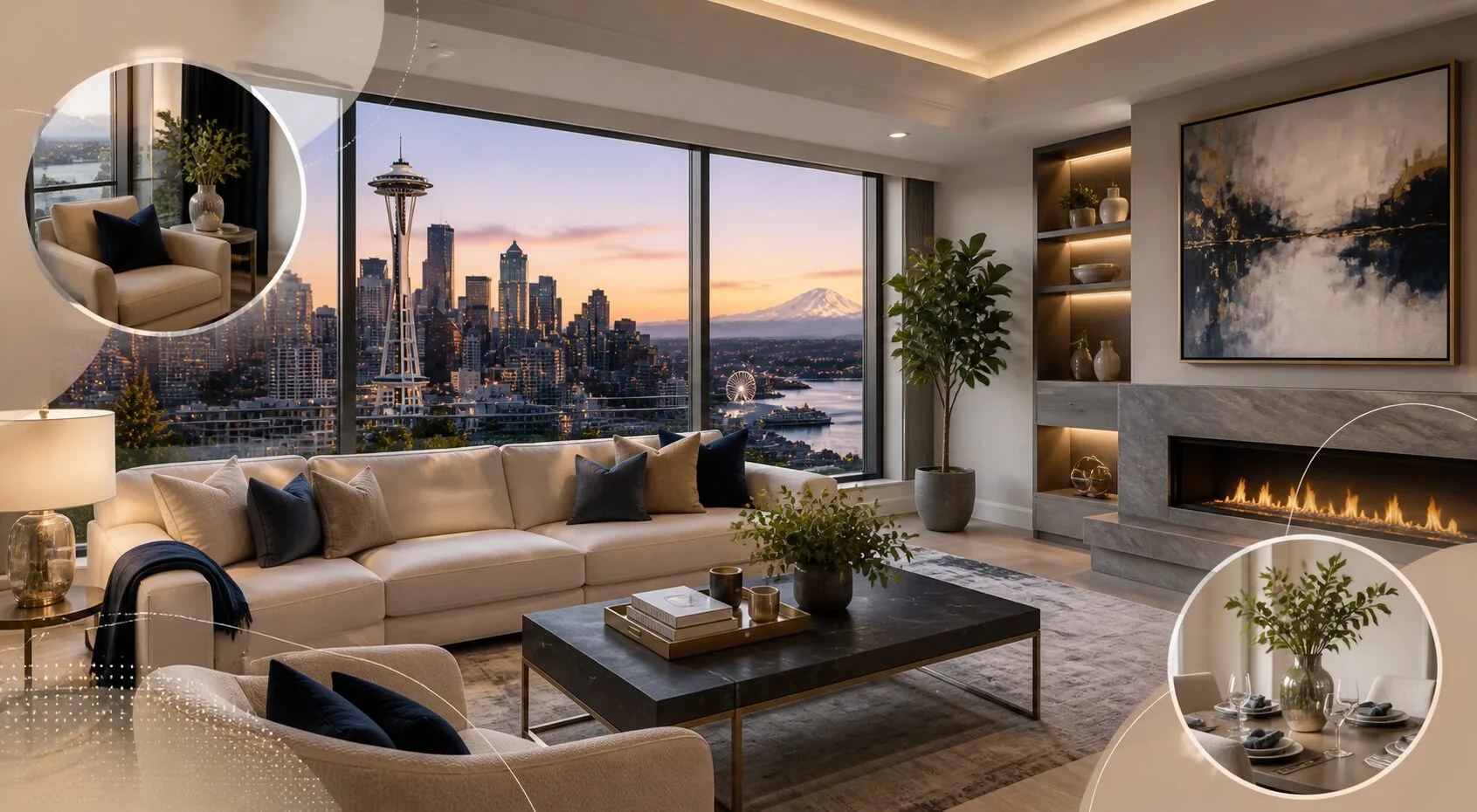
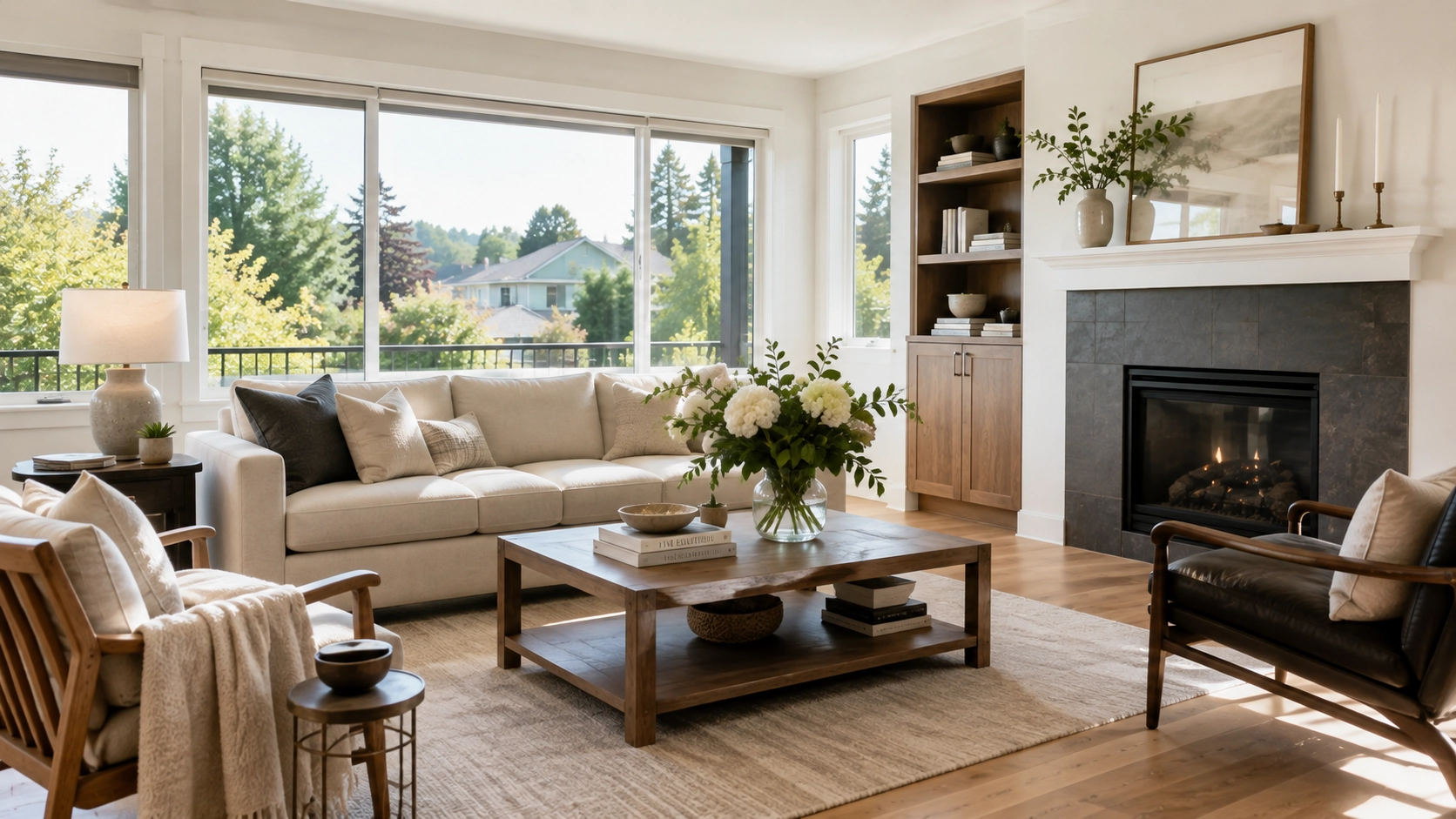
In a market where most buyers begin their search online, photography is not a formality — it is the first showing. Professional photography, and in most cases professional staging, materially changes how many buyers request a tour and how they perceive the home's value before they ever walk through the door.
Staging does not mean erasing all personality from a home; it means presenting rooms so their function and scale are obvious at a glance. Empty or over-personalized rooms both underperform. The goal is a buyer's ability to imagine themselves in the space within the first few seconds of a photo or a walkthrough.
Step Four: Price and Launch Strategically
Pricing strategy is not just about the number — it's about timing and positioning. A property that launches with strong initial marketing and a price grounded in real data tends to generate the most attention and, often, competing offers in its first days on market. A property that launches quietly or overpriced tends to fade, and price reductions rarely recapture the initial wave of buyer interest that a fresh listing generates.
Your advisor should walk you through how comparable homes have performed recently, what the current buyer pool looks like for your price tier, and how to structure the listing so it draws serious, qualified interest from the start rather than lingering.
Step Five: Evaluate and Negotiate Offers
The highest offer is not always the best offer. Financing strength, contingencies, proposed timeline, and the buyer's flexibility around your own move-out schedule all factor into which offer actually serves your interests. A cash offer with a fast close may be worth more to you than a slightly higher financed offer with a longer contingency period, depending on your circumstances.
Multiple-offer situations are common for well-priced homes in desirable Seattle neighborhoods. Your advisor should present a clear comparison of all material terms — not just price — so you can negotiate from a position of full information rather than reacting to the top-line number alone.
Common Mistakes Seattle Sellers Make
Pricing based on what you need rather than what the market supports: The market does not know or care what you paid, what you owe, or what you need to net. Pricing that ignores current comparable sales in favor of a target number almost always leads to a longer time on market and a lower eventual sale price than accurate pricing from the start.
Skipping pre-listing preparation to save time: Rushing a home to market without addressing obvious cosmetic issues or completing a pre-listing inspection frequently costs sellers more in negotiated repairs and price concessions than the preparation would have cost upfront.
The sellers who have the smoothest experience in Seattle's market are not always the ones with the biggest home or the highest asking price — they are the ones who prepared thoroughly, priced honestly, and worked with an advisor who told them the truth from the very first conversation.
Seattle Home Selling Guidance
Ready to move from planning to listing? Christine works with sellers across every price tier in Seattle — from first sale to luxury.
Learn more →