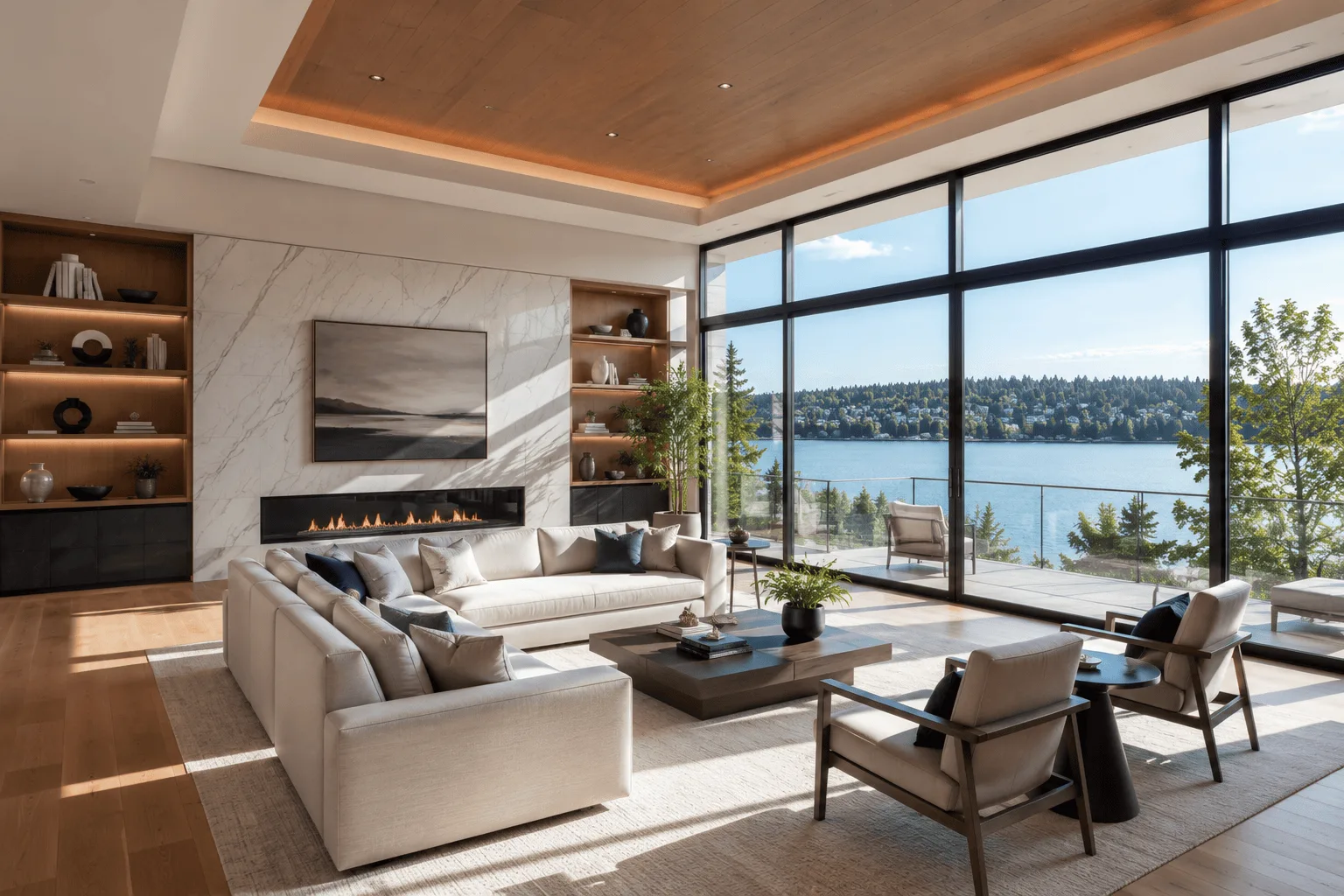
What’s My Home Worth?
Every sale starts with an honest valuation. Automated estimates from sites like Zillow are a useful starting reference, but they can't account for your view, your renovation quality, or how your specific block compares to what's actually selling nearby — which is exactly why a real comparative market analysis matters before you set an asking price.
Read how AI valuations compare to real appraisals in Seattle →
Preparing Your Home for Sale
The 30 days before listing are where outcomes are made or missed. A disciplined, room-by-room preparation process — addressing deferred maintenance, deep cleaning, and decluttering — is what separates homes that sell at premium prices from homes that sit on the market.
Home Staging
Staging isn't decoration — it's a strategic process that aligns a home's architecture and lifestyle appeal with what buyers are actually looking for. Professionally staged homes consistently sell faster and for more than comparable unstaged homes, particularly at the luxury tier where presentation is expected, not optional.
Pricing Your Home
Pricing is not a formula — it's a strategy. The sellers who achieve the strongest outcomes price with precision from day one, using true comparables rather than optimism. Overpricing is particularly costly: it burns the critical first-two-week window when buyer interest is highest, and price reductions afterward are read by the market as a signal of weakness.
Learn how to price your Seattle home to sell — not just to list →
Marketing Your Home
Effective marketing extends well beyond an MLS listing. Professional photography and video, a compelling written narrative, targeted digital promotion, and broker network outreach all play a role in reaching the right buyers — and at the luxury tier, private outreach to qualified buyer networks often matters more than public exposure. Christine builds a marketing plan specific to each home and each price tier, not a one-size-fits-all package.
Understanding and Negotiating Offers
An offer is more than its price — financing type, contingencies, proposed timeline, and earnest money all affect how much risk and certainty it actually carries. A cash offer at a slightly lower price is often stronger than a financed offer at a higher one, once financing risk and appraisal contingencies are factored in.
Negotiation doesn't end when an offer is accepted — inspection findings, appraisal gaps, and financing conditions frequently reopen the conversation before closing. Having an advisor who negotiates these moments calmly and strategically, rather than reactively, protects both your price and your timeline.
Home Inspections
Buyers will almost always inspect the home during their contingency period, and many sellers choose to commission their own pre-listing inspection to identify and address issues before they become negotiating leverage for the buyer. Disclosing known issues upfront, rather than letting a buyer's inspector discover them, generally produces a smoother transaction and preserves buyer trust through closing.
Closing the Sale
Sellers in Seattle typically pay real estate commissions, Washington's Real Estate Excise Tax, and prorated costs at closing — commonly totaling 6 to 8 percent of the sale price. Once financing contingencies clear and any final walk-through is complete, documents are signed through escrow and funds are disbursed upon recording.
See the full breakdown of what buyers and sellers pay at closing in Seattle →
Luxury Home Selling
Selling above $2 million involves a different buyer pool, different marketing expectations, and a pricing process with fewer true comparables to rely on. The margin between a good outcome and a great one in this segment is almost always a function of strategy and representation.
Learn about Christine's luxury home selling representation →