What Changed: Washington's Statewide ADU and Middle Housing Reform
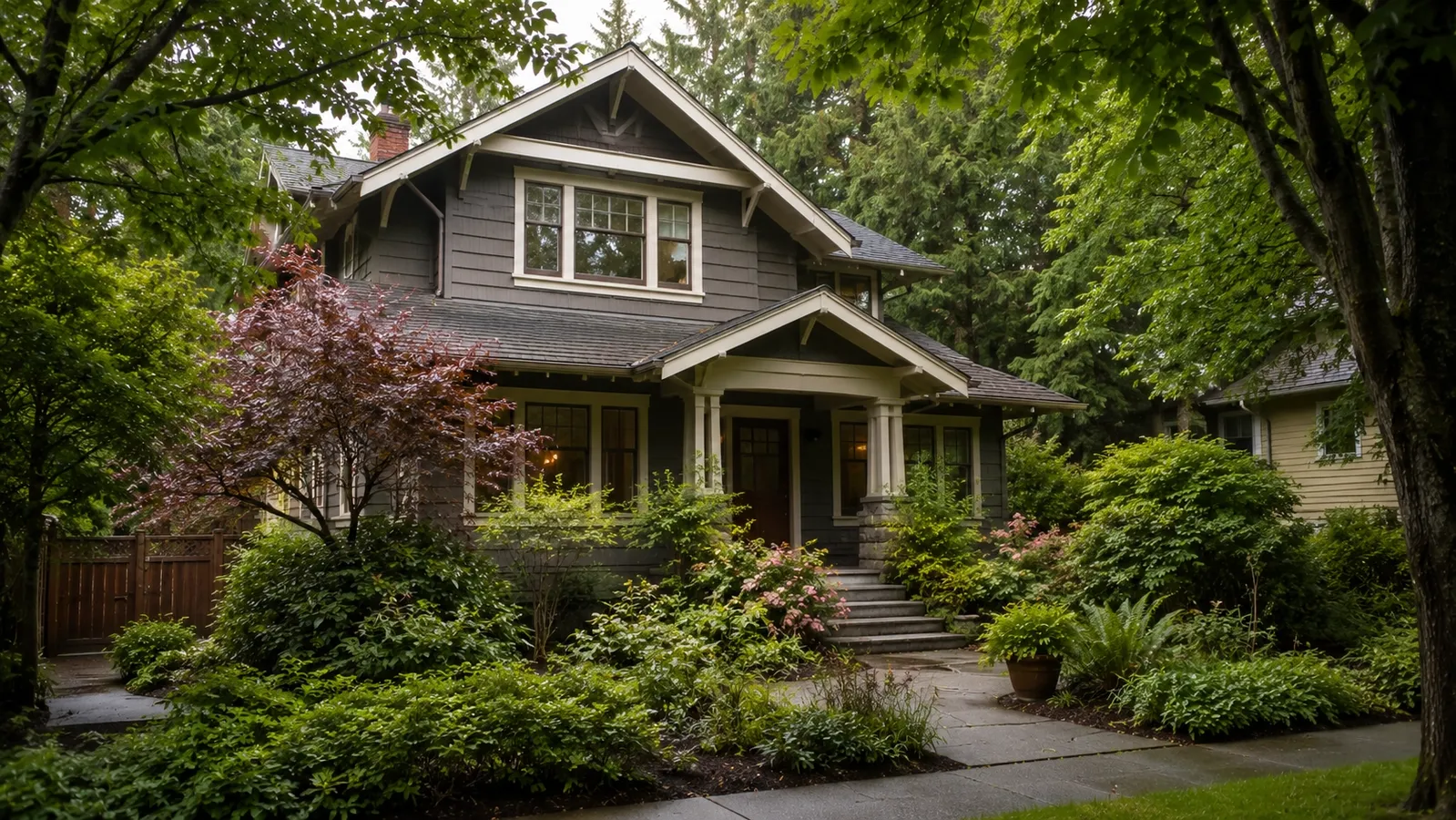
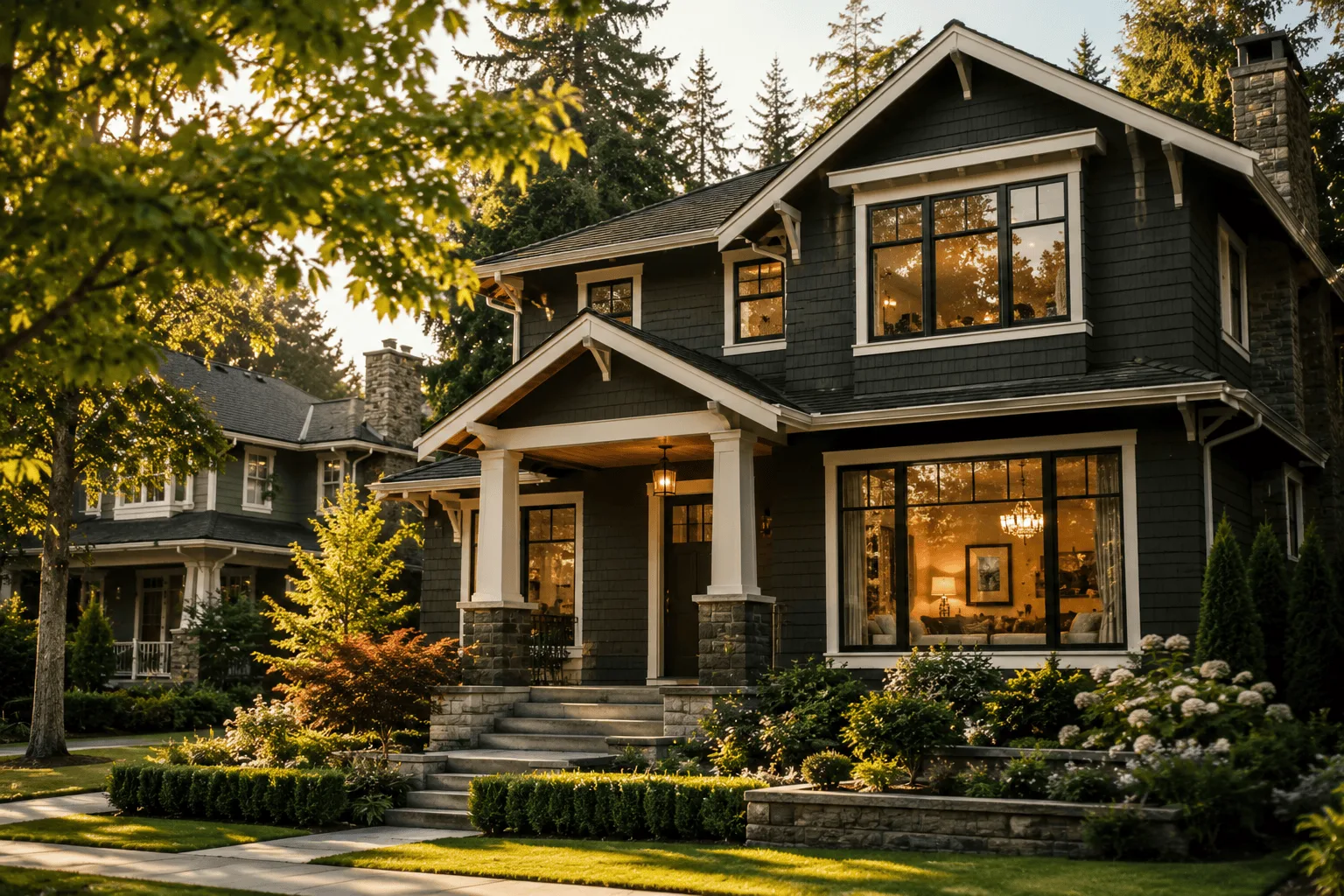
Washington's 2023 middle-housing legislation (House Bill 1110) required cities statewide to allow at least two housing units on most residential lots, with additional density near frequent transit. Seattle had already permitted up to two ADUs per lot since a 2019 ordinance update, but the statewide reform — combined with Seattle's own subsequent adjustments — further eased restrictions that previously limited ADU development.
The most consequential changes for owners: the owner-occupancy requirement that once forced property owners to live on-site was removed, off-street parking minimums for ADUs were eliminated in most cases, and maximum unit sizes were increased. Together, these changes have made ADU construction meaningfully more accessible than it was even three or four years ago — both for owners planning to live elsewhere and for those building a purely investment-oriented unit. The same legislation also expanded where a duplex or triplex purchase is possible citywide, which is worth understanding if you're evaluating a multi-unit purchase rather than an ADU addition.
Attached vs. Detached ADUs: Which Makes Sense for Your Property
An attached ADU converts existing space within or connected to the primary home — a basement, an above-garage space, or a new addition — into a separate, self-contained unit with its own entrance, kitchen, and bathroom. These are generally less expensive to build since they use existing structure and utility connections, but they offer less privacy separation between the primary home and the rental unit.
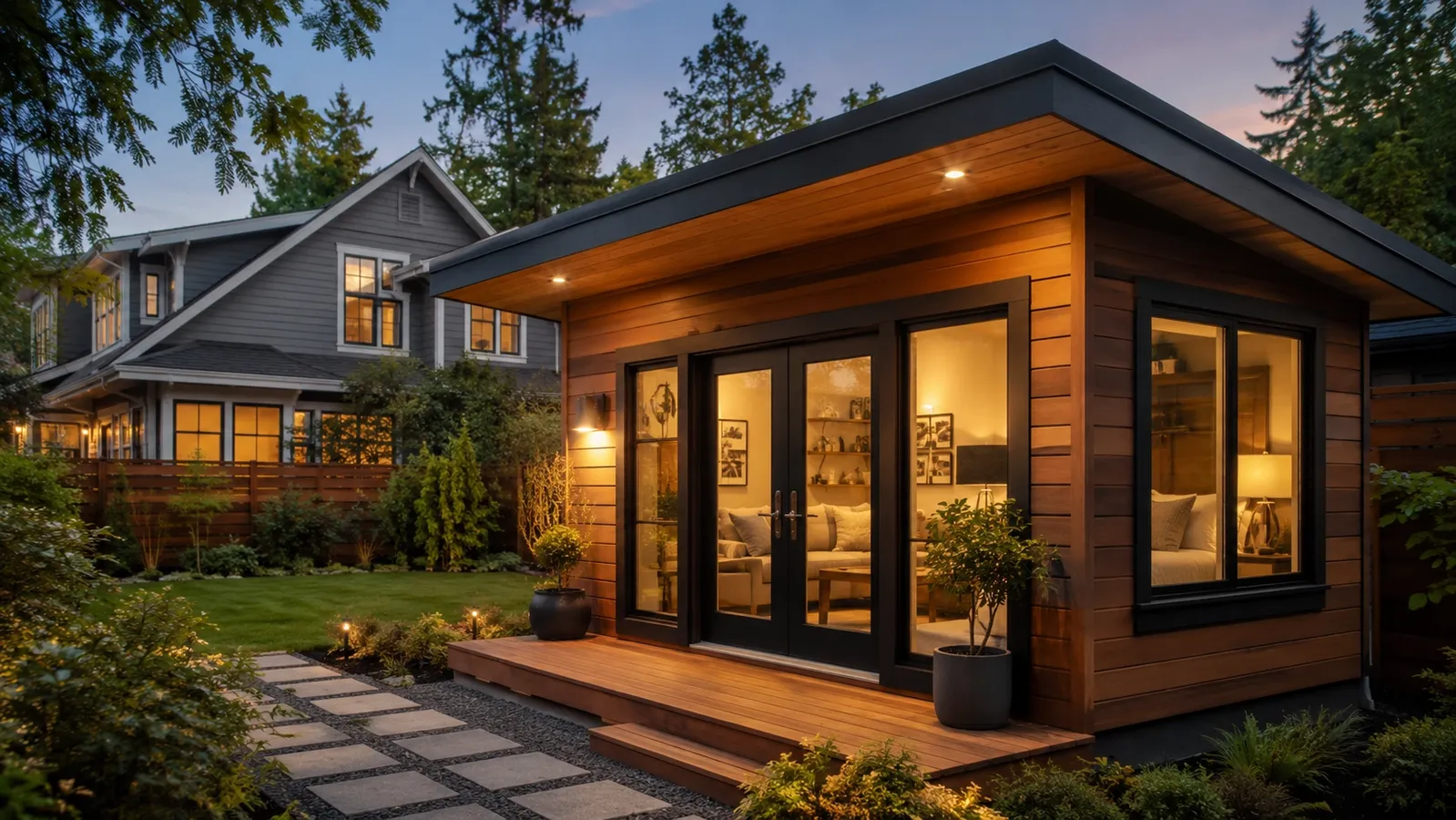
A detached ADU (sometimes called a DADU, or backyard cottage) is a fully independent structure built elsewhere on the lot. These cost more to build — new foundation, new utility connections, new structure entirely — but offer complete privacy separation, which tends to command higher rent and appeal to a broader tenant pool, including longer-term renters who value not sharing walls with the primary residence.
Lot size, existing structure condition, and setback requirements determine which option — or whether both — is realistic for a given property. A pre-purchase or pre-construction consultation with a designer familiar with Seattle's current ADU rules is the fastest way to determine your property's actual capacity.
What ADUs Actually Cost to Build in Seattle in 2026
Costs vary significantly by ADU type and finish level. A basement conversion into an attached ADU typically runs $80,000 to $150,000, depending on existing ceiling height, egress requirements, and whether new plumbing lines are needed. A garage conversion runs somewhat higher, $100,000 to $180,000, since garages often require more substantial structural and insulation work to become livable space.
A new detached ADU is the largest investment: $200,000 to $350,000 or more for a well-finished 600–1,000 square foot unit, with cost scaling based on size, finish quality, and site conditions (a sloped lot or difficult utility access adds meaningfully to the budget). Financing options include a cash-out refinance on the primary home, a HELOC, or a dedicated construction loan — each with different qualification requirements and cost structures worth comparing before committing to a specific ADU size or finish level.
ADU Rental Income and Investment Returns
Rental rates for ADUs in Seattle vary by neighborhood, unit size, and finish quality, but a well-located, well-finished one-bedroom ADU commonly rents for $2,000 to $2,800 per month in 2026, with larger or premium-finished units reaching $3,500 in high-demand areas. Calculating real return requires weighing this income against the full construction cost, ongoing property tax impact, and maintenance responsibility as a landlord.
For many owners, the comparison that matters most is ADU construction versus purchasing a separate investment property outright. An ADU typically requires a smaller total capital outlay than acquiring a second property, avoids a second mortgage and its associated closing costs, and — because it sits on land the owner already controls — carries less market timing risk. The trade-off is that an ADU is illiquid in a different way: you can't sell it separately from the primary property, so the investment is tied to your overall equity in that single asset.
Permitting Timeline and Process in 2026
Seattle's Department of Construction and Inspections has streamlined ADU-specific permitting somewhat in response to the increased volume of applications following the statewide reform, but realistic timelines still run several months from initial application to permit issuance — longer if the design requires variances or the lot has complications like steep slopes or environmentally critical area designations.
Working with a designer or contractor who has specifically navigated Seattle's current ADU permitting process — as opposed to general residential construction experience — meaningfully reduces the likelihood of delays. The permitting requirements, required documentation, and common rejection reasons are specific enough to this use case that general contracting experience alone often isn't sufficient preparation.
ADUs as Part of a Broader Investment Property Strategy
For owners already thinking in investment terms, an ADU is one of several tools — alongside buying a separate rental property, a duplex, or a small multifamily building — for building real estate-based income. Its specific advantage is capital efficiency: building on land you already own avoids acquisition costs, financing a second property, and the search process itself.
An ADU can also serve a dual purpose many buyers value: housing a family member (aging parents, adult children) in the near term, with the flexibility to convert to a rental once that need changes. This flexibility — impossible with a separate, standalone rental property — is a genuine and underappreciated advantage of the ADU structure specifically.
When it comes time to sell, a property with a permitted, income-producing ADU is a different asset than a comparable property without one — it appeals to both owner-occupant buyers who want the flexibility and buyers evaluating the property with investment criteria in mind. Documentation of permits, rental history, and construction costs should be maintained carefully, since this materially affects how the ADU is valued at resale. If your ADU is occupied at the time you decide to sell, selling with a tenant in place involves its own specific process worth planning for ahead of listing.
An ADU is one of the few moves available in Seattle's current market that adds real function to your own property while also producing genuine financial return — but only with the right planning before construction begins. The owners who get the most value from this strategy are the ones who think through financing, tenant strategy, and long-term resale implications before the first permit application, not after.
Investment Properties
Christine advises owners on how ADUs and investment properties fit into a broader real estate strategy — from initial planning through eventual resale.
Learn more →